What our sleep experts found
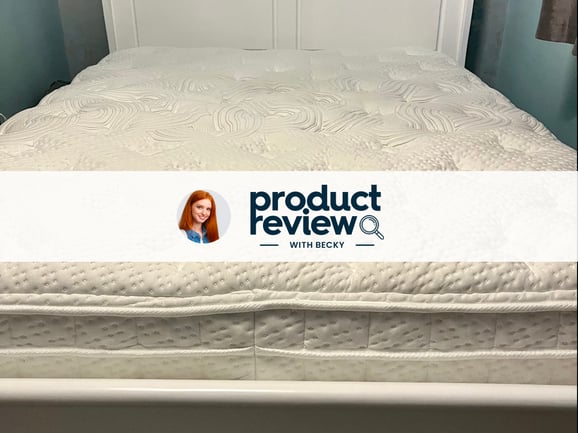
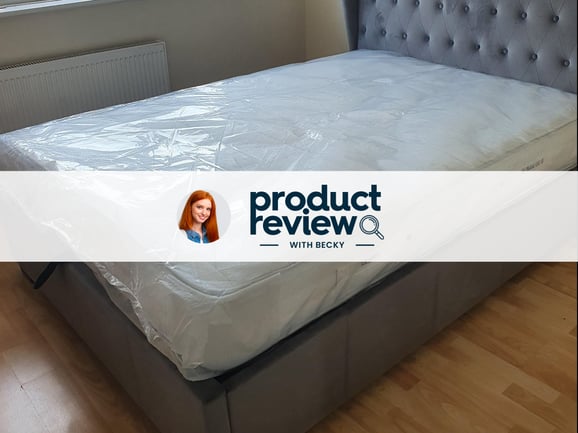
The Dreams Workshop Botfield Traditional Spring Mattress came across in store as a plain, budget open-spring mattress with a cleaner cover than some cheap rivals. I would not dress it up as advanced support. There is no zonal system, the padding feels modest, and the spring unit has the familiar connected movement of an older mattress design.
The price feels about right for what it is. Buyers chasing a low-cost mattress for a child, guest room or quick replacement will understand the appeal. For a main adult bed, I would be looking harder at cheap hybrids or entry pocket-sprung models before settling on this. Basic, in the most literal sense.
The build: tidy cover, simple core
Dreams uses traditional hourglass open springs here, topped with what the brand describes as rich fillings and a quality soft-touch damask cover. In the showroom, the cover did feel decent for the category: smooth to the hand, neatly finished, and a step above the rougher damask covers found on some bargain mattresses.
The spring system is where my doubts start. Open springs work as one linked unit across the mattress, so pressure in one area tends to travel. Pocket springs usually control that better. The IKEA Valevåg, for example, sits in a similar affordable conversation and gives a calmer, more contained feel because of its pocket-sprung construction.
The Botfield is made in the UK at Dreams’ Birmingham Bed Factory, with the Workshop range linked to over 20 years of bedmaking experience. Useful context, although it does not change the feel under your body. Dreams also says this is an upgrade on the Watson: same spring count, same firmness, improved cover. I can believe the cover part. The underlying support still feels old-fashioned.
It is single-sided, so care is simpler. Rotate it and keep it aired. The trade-off arrives later, when the fillings begin to settle and you cannot flip to a fresh side. The 100-Night Comfort Guarantee gives some short-term reassurance, while the standard 1-year guarantee is brief for a mattress expected to carry nightly weight.
Firmness and comfort in the showroom
The firm comfort grade is believable. Lying on my back, my hips stayed reasonably level during a short test, and the mattress gave immediate support rather than a sinking foam feel. Some people will like that directness. I did, for a few minutes.
Side sleeping exposed the limits quickly. My shoulder met resistance early, and the comfort layer did not have much generosity. A topper might soften the surface, although buying a topper to make a new mattress tolerable is never a great sign.
Movement transfer also felt obvious. Pressing and shifting on one side sent energy across the bed, as I would expect from linked springs. I could not judge a full night with a partner in store, and that matters here because this construction is rarely the quietest or most stable for two adults.
Best use cases
This mattress makes most sense for children’s beds, occasional guests and temporary setups. Several customer comments mention bunk beds, spare rooms and younger sleepers, and those use cases match what I felt in person. Light bodies will put less stress on the spring unit, and a firm surface can feel reassuring at first.
Heavier adults should be wary. One review from a larger couple described aches, pains and being able to feel the springs even after adding a cheap topper. Another buyer said it was suitable for an elder who needed support and comfort, so needs vary, but I would not treat this as a safe recommendation for anyone with pressure sensitivity.
A no-name hybrid from a competing retailer could easily be the smarter move at this budget, provided the returns policy is solid. Even a simple foam-and-spring hybrid can give a thicker comfort feel than this style of open-coil mattress. Try both before assuming the Dreams badge settles the question.
Owner comments worth listening to
The happy reviews mostly circle around value. Customers call it comfortable, firm, affordable and good after buying in a sale. A few say children slept brilliantly on it, and guest-room buyers seem particularly satisfied. That sounds credible. Expectations are doing a lot of work.
The negative reviews are harder to ignore. One owner said it became misshapen and uncomfortable within 2 years, despite regular flipping. Another reported springs poking through after 2 weeks, creaking when turning, and support fading already. A separate comment mentioned dipping in the middle after around 3 weeks. Those complaints fit the risk profile I felt in store: limited padding over a basic spring system.
My verdict after trying it
I would buy the Botfield for a low-use room or a child who is not especially fussy about feel. I would skip it for a couple’s main bed. The useful detail I noticed in store was its manageable weight and straightforward handling, so it may suit awkward stairs, bunk frames and small bedrooms where a heavier mattress becomes a nuisance.
Why you can trust WantMattress
We spend hours testing (and/or researching) every product or service we review, so you can be sure you’re buying the best. Find out more about
how we test .
Published: 20 June 2026
Written by
Becky Reeve , Editorial Director, Mattress Expert
Peer reviewed by
Ray Summer , Health Content Writer & Editor