Hypnia is a French direct-to-consumer sleep brand that sells mattresses into the UK and several other European markets. The company operates from France rather than the UK, and the mattresses are manufactured in mainland Europe before being shipped to UK buyers. Hypnia has grown steadily as one of the more serious European bed-in-a-box challengers to the established British brands, and the product proposition focuses on hybrid construction with long trial and warranty terms.
We've covered Hypnia since it expanded into the UK market, and the brand occupies a specific niche in the direct-to-consumer category. Where British bed-in-a-box brands like Emma and Simba lead on marketing presence, Hypnia leads on specification and warranty length. The mattresses offer more than most rivals at comparable prices, and the trial and warranty terms are among the most generous in the UK market.
How Hypnia Mattresses Are Built
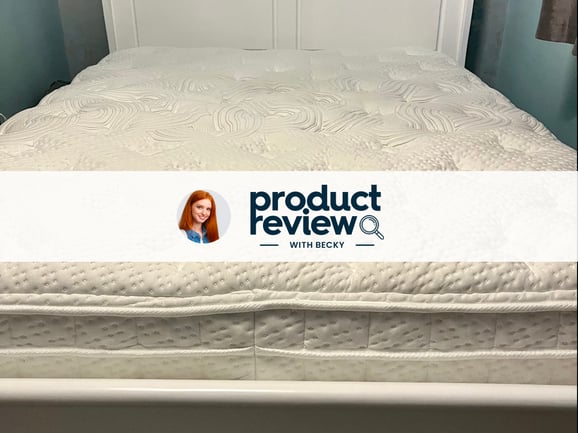
Hypnia mattresses use a multi-layer construction combining memory foam, latex and pocket springs depending on the model. The higher end hybrids include a bamboo cover that feels noticeably different from the standard polyester knit most rivals use - cooler to the touch and better at wicking moisture. Seven zone support divides the pocket spring unit into areas that provide different levels of firmness under the head, shoulders, lumbar, hips and legs.
Honeycomb foam layers appear in several models as an airflow-focused design rather than solid foam, which helps the mattress sleep cooler than equivalent all-foam alternatives at similar prices.
Who Hypnia Works For
Readers who want premium hybrid construction from a European manufacturer at D2C pricing. Back sleepers and combination sleepers benefit from the zoned support system. Couples get good motion isolation from the pocket spring core. Side sleepers of average weight do well on the hybrid models because the memory foam comfort layers cushion the shoulder and hip while the springs maintain underlying support.
Less suited to buyers who want a traditional British heritage feel with natural fibre tufted fillings - that's a different category. And if UK manufacturing specifically matters to you, Hypnia's mainland European production base won't tick that box.
What Stands Out About Hypnia
The trial and warranty terms are ahead of most D2C competitors. 200 night trial and 15 year warranty, compared with the 100/10 split that's standard in the category. Emma and Simba match the 200 night trial but only offer 10 year warranties, so Hypnia gives you five extra years of cover.
The European manufacturing is transparent - Hypnia operates from France, manufactures in mainland Europe, and ships direct to UK buyers. For anyone who cares about spec-per-pound regardless of country of manufacture, the European production base is the reason Hypnia can offer what it does at the prices it charges.
Brand recognition in the UK is lower than Emma, Simba or Nectar because Hypnia doesn't spend heavily on UK television advertising. For buyers who shop on spec and warranty rather than brand familiarity, and the prices reflect that - less spent on TV ads means more goes into the product.
The bamboo cover on the upper models is a practical upgrade you can feel. Most D2C rivals use polyester or polyester-blend covers. Actual bamboo fibre gives a different hand feel and improved breathability, and it's one of those features that sounds minor in the spec sheet but makes a noticeable difference when you're lying on it.
read more