What our reviewers found
Introduction
The TheraPur ActiGel® Polar 2000 Combination Mattress feels like the return of a familiar formula done properly. I’ve seen earlier “cool gel” TheraPur builds in the 800 and 1000 variants over the years, and if I’m blunt, some of those older versions were good ideas that didn’t always justify their price tags once you peeled back the marketing. This Polar 2000, though, is a very clear response to where the UK mattress market is heading in 2026: consumers are more educated, more sceptical, and far less willing to pay top money for vague claims like “cooling” and “supportive” without tangible spec upgrades to back them up.
I tested the Polar 2000 in-store, in person, on the shop floor, spending a proper amount of time moving through my usual evaluation routine: edge sitting, back and side lying, pressure-point checks around the shoulder/hip, and partner-disturbance simulation (the very glamorous “push down and roll test”). I haven’t slept on it at home for weeks, so I won’t pretend I can tell you how it behaves on night 40 or how it copes with your bedroom humidity in July. What I can tell you is how it’s built, how it presents itself, and how it compares to other medium-firm cooling hybrids I’ve tested recently.
My overall take is this: if you’re a hot sleeper who still wants that slightly “hugged” hybrid feel without the swampy memory foam heat build-up, the Polar 2000 is one of the more convincing options I’ve laid on this year. But I’m also going to be very firm about value. It’s not cheap, and while I genuinely think the upgrades make sense, I would personally hold the line and wait for a real deal. Under £1,000 is where this mattress becomes properly compelling. Above that, you’re paying for branding and buzzwords as much as you are for materials.
Design and features
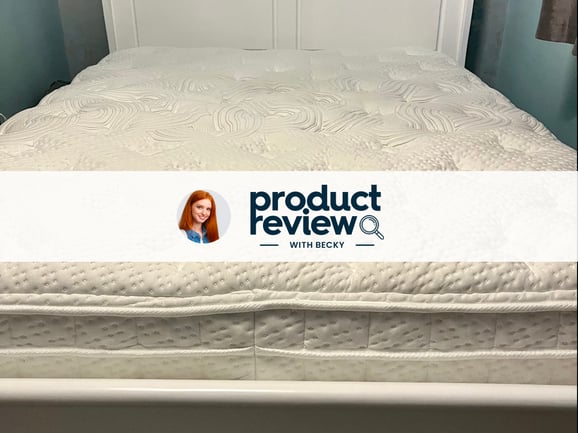
This is a hybrid mattress, meaning you’re looking at a combination of springs and foam comfort layers rather than an all-foam block. In practice, that usually gives you a more responsive feel, better airflow through the core, and a little more “push-back” support than many memory foam mattresses provide. The Polar 2000 leans heavily into cooling as its headline, and unlike many cooling claims I hear weekly, this one has at least two tangible design choices that support the story.
First, the cover. TheraPur markets this as their “coolest ever” graphite-infused ActiCool®+ cover. Graphite and similar conductive materials are often used in sleep products because they can help disperse surface heat rather than letting it pool around the body. In-store, the initial hand-feel is noticeably cool-to-the-touch compared to more standard knitted covers. That said, I need to be clear: “cool to the touch” is not the same thing as “stays cool all night.” Plenty of covers feel chilly for 30 seconds and then behave like any other fabric once your body warms them up. The better question is whether the overall build prevents heat build-up, and that’s where the hybrid core and gel layer matter.
Second, the comfort system references zoned ActiGel®. Gel-infused foams can be genuinely useful, but there’s a lot of nonsense in the category too. The main benefit isn’t that gel is magically cold; it’s that it can help with thermal regulation and reduce the “insulating blanket” feel you get with traditional memory foam. When brands combine gel with zoning, they’re typically aiming for two things: targeted pressure relief (so you sink a bit more at the shoulders/hips) and more stable support through the waist/lumbar area. In-store, the Polar 2000 did feel more controlled through my midsection than a lot of softer “cooling” mattresses that collapse too easily and then call it “pressure relief.”
TheraPur also positions this model as a “Combination Mattress,” and I think that’s fairly accurate. It’s not a dead, slow-melting memory foam slab. It has a medium-to-firm comfort grade with noticeable structure underneath you. If you like the sensation of being held up rather than hugged in, you’ll likely appreciate that. If you want a deep, contouring sink, this isn’t the one I’d push you toward.
The biggest “market correction” detail, in my opinion, is that this new version is presented as having more pocket springs than previous lines. You can feel that intent in the stability and the way the mattress rebounds. In 2026, retailers simply can’t get away with light spring counts and thick foam tops at premium prices in the way they used to, because customers have caught on. More springs, better zoning, and a more credible cooling package is exactly what I would expect from a refreshed model that’s trying to justify its place in a tightening market.
Balanced scepticism time: graphite covers, gel layers, and “exclusive cooling tech” language all sound impressive, but none of it makes you immune to poor bedroom conditions. If your room is 24°C, you have a heat-trapping mattress protector, and you’re using a thick synthetic duvet, no mattress on earth will feel like sleeping on a glacier. Cooling mattresses help, but they’re not air conditioners. I like that the Polar 2000 at least uses a hybrid base and a gel approach that generally supports better temperature behaviour than standard memory foam, but I’m still wary of anyone expecting miracles.
Mattress comfort
The comfort grade is listed as medium to firm, and from my in-store testing I’d agree with that assessment. It sits in that sweet spot where it feels supportive immediately, but not hard. There’s a modest cushion at the surface, then a quicker transition into support than you’d get with softer, thicker memory foam tops. When I lay on my back, my hips didn’t dip excessively, and my lower back felt well “met” by the mattress rather than left hanging. That’s a very good sign for back sleepers who need the mattress to maintain lumbar alignment.
On my side, I found it broadly comfortable with good pressure management for an average-weight sleeper, but this is where my opinion gets specific: the medium-firm tension is a practical compromise, not a tailored side-sleeper cloud. If you’re average build and you switch between back and side during the night, this tension makes a lot of sense. You get enough give at the shoulder to avoid that sharp “jammed” feeling, but you’re not sinking so deeply that your spine bends into a banana shape.
However, if you’re a side sleeper with a pronounced hourglass figure (wider hips and shoulders with a smaller waist), you may find that you need a touch more plushness than this mattress offers in its current feel. In-store, I could feel that it wanted to keep me more “on” the mattress than “in” it, and for curvier side sleepers that can translate to pressure at the shoulder or the outer hip over longer periods. That doesn’t mean it’s uncomfortable; it means it’s a medium-firm hybrid doing what medium-firm hybrids do: prioritising support consistency over deep contouring.
Motion isolation was respectable for a hybrid. I wouldn’t claim it’s as deadened as an all-foam mattress, because pocket springs do introduce a bit of bounce, but it performed well in the “partner disturbance” style tests I do in-store. When I pressed down hard and released, the movement didn’t ripple dramatically across the surface. For couples, that matters. It’s one thing to read “great for couples” on a hangtag; it’s another to feel whether the surface stays composed when someone shifts position.
Edge support felt solid enough for normal use. Sitting on the edge, I didn’t get that alarming slide-off sensation you get from ultra-soft foam mattresses. I’m still cautious with any foam-topped hybrid: edges are often the first place you notice build compromises. But from what I felt, the Polar 2000 holds itself together better than many cooling hybrids that feel plush at the perimeter but collapse when you sit to put your socks on.
Now, the cooling feel. The cover definitely gives you a fresher, cooler initial impression than standard fabrics, and the overall mattress doesn’t have that “heat-hugging” vibe that traditional memory foam beds can create. I want to be honest here: in-store testing can’t replicate the slow accumulation of heat over six to eight hours. But based on the materials described and the way the bed presents itself, I would rate this as a credible “cooler sleeping” option compared to standard memory foam, and even compared to some hybrids that use basic foam tops with nothing particularly thermal about them.
One point I feel strongly about: “cooling” is often used to excuse making a mattress too firm, because brands want to avoid thick, heat-trapping foam and end up building something that’s supportive but a bit stingy on pressure relief. The Polar 2000 doesn’t fall fully into that trap, but it’s closer to supportive than indulgent. If you’re buying it purely for plush comfort, I think you might be missing the point of what it does best.
Suitability
This mattress has a fairly clear target customer, and I appreciate that. It’s aimed at people who want a cooler night’s sleep but don’t want to sacrifice support, and at couples who need a compromise feel that won’t leave one partner happy and the other aching.
In my view, the Polar 2000 is best suited to:
Average-weight sleepers who alternate between side and back sleeping and want one mattress that handles both without drama.
Back sleepers who need a medium-firm feel to keep the pelvis and lumbar area supported and aligned.
Hot sleepers who find standard memory foam too warm and want a build that feels fresher and less heat-retentive.
Couples with different comfort preferences who need a balanced tension that doesn’t veer too soft or too hard.
And I’d be more cautious if you fall into these groups:
Side sleepers with pronounced curves (hourglass shape) who often do better on a slightly softer comfort grade for deeper shoulder and hip sinkage.
Very lightweight side sleepers who may struggle to “engage” the pressure-relief layers on a medium-firm mattress and could experience shoulder pressure over time.
Anyone chasing a true memory-foam cuddle feel; this is cooler and more responsive, but less enveloping.
To be very clear: medium-firm is a fantastic, sensible tension for the broad middle of the population, and it’s often the safest choice for couples. But it is not universally perfect. The industry loves to call medium-firm “for everyone” because it reduces returns. Real bodies aren’t that simple. The Polar 2000 gets a lot right for “most people,” but if you know you’re a dedicated side sleeper who needs plushness, listen to that instinct rather than forcing yourself into a support-first mattress and hoping you’ll adapt.
I also think it’s a strong candidate for people who are fed up with waking up hot on older memory foam models. I’ve spoken to countless shoppers who describe that specific pattern: they fall asleep fine, then wake at 3am feeling clammy and restless. While no mattress can solve every cause of night sweats, moving away from heat-hugging foams and towards a more breathable hybrid build with a cooling cover is one of the more reliable changes you can make.
What customers thought
The customer feedback I’ve seen around the Polar 2000 is refreshingly consistent, and it mirrors what I picked up in-store: people are noticing the cooling effect and they’re appreciating the balance of comfort and support.
One reviewer described it as “a brilliantly cooling mattress that keeps temperatures steady throughout the night,” and singled out the ActiCool®+ cover for feeling fresh and avoiding the overheating common with memory foam. That tracks with the mattress’s whole proposition. When a customer specifically calls out “steady throughout the night,” I pay attention, because that’s the real test of cooling claims. Many beds can feel cool initially; fewer manage heat buildup over time.
The same feedback also praised the medium-firm feel as a “strong balance of comfort and support,” and again, that’s exactly how I would frame it. It’s not a mattress that tries to win you over with instant showroom softness. It wins by feeling dependable and structured, while still offering enough surface comfort that you don’t feel like you’re lying on a board.
Where I want you to read between the lines is this: customers who love this type of mattress tend to be people who have learned the hard way that too-soft mattresses can cause as many problems as too-firm ones. A medium-firm hybrid that sleeps cooler is often the “grown-up” choice for people who want less fuss, less overheating, and fewer aches. If you’re the type of shopper who walks into a showroom and always gravitates to the plushest thing in the room, customer reviews like these may not reflect your preferences as closely.
I also think it’s telling that the review framed it as “ideal for couples.” Couples tend to be less forgiving: one person’s comfort is the other person’s annoyance, and motion transfer becomes a real issue. When couples praise a mattress like this, it usually means the mattress is doing the basics properly: stable support, decent motion control, and a feel that doesn’t polarise too hard into “too soft” or “too firm.”
My sceptical note, because it’s important: customer reviews often reflect the honeymoon period. People are most motivated to leave feedback when a mattress feels amazing in the first few nights. That doesn’t mean the feedback isn’t genuine; it means you should balance it with what you can observe about construction and with sensible buying habits. Which leads me neatly to price and value.
The verdict
I like the TheraPur ActiGel® Polar 2000 Combination Mattress, and I’m comfortable saying that out loud. In-store, it presented as a well-judged medium-firm cooling hybrid with a more premium feel than a lot of “cooling” mattresses that rely on a single gel layer and a hopeful marketing story. It feels like a smarter, tightened-up evolution of a classic TheraPur idea, and the shift towards more pocket springs is exactly the kind of upgrade I want to see when brands refresh ranges. In a market where consumers are demanding better value, this build at least looks and feels like it’s trying to earn its place.
But I’m not going to be polite about pricing. This mattress can still sit in a bracket that is simply too expensive for many households, and I don’t think you should overpay just because the word “graphite” appears on the label. My advice is straightforward: wait for a real discount and aim to buy it under £1,000. Hold strong on that. The mattress becomes a genuinely strong buy at that level, especially for hot sleepers who want support without the classic memory foam heat trap. Above £1,000, you need to be absolutely sure you specifically want this cooling-meets-support profile, because there are other strong hybrids in the wider market once you drift into higher price tiers.
One more opinionated point: don’t get sucked into fake sales. The mattress industry loves perpetual discounts, inflated “was” prices, and urgency tactics. The Polar 2000 is good, but it’s not a once-in-a-lifetime product that you’ll regret missing if you don’t buy this weekend. If the retailer can’t bring it to a genuinely compelling number, be patient. A good mattress should improve your sleep, not give you buyer’s remorse.
If you’re an average-weight side-and-back sleeper, or you share a bed with someone who sleeps differently to you, and you tend to overheat, this is one I would put on your shortlist and actively recommend trying in person. If you’re a curvier dedicated side sleeper who needs plush sinkage, I’d steer you toward something a touch softer, because medium-firm support can become shoulder pressure in the real world over time.
Overall, my store-tested conclusion is simple: the Polar 2000 is a credible cooling hybrid with a properly supportive medium-firm feel, and it’s at its best when bought at the right price. Under £1,000, it’s a strong recommendation. Over that, I like it, but I don’t love the value enough to pretend it’s an automatic yes.
Why you can trust WantMattress
We spend hours testing (and/or researching) every product or service we review, so you can be sure you’re buying the best. Find out more about
how we test .
Published: 29 March 2026
Tested by
Becky Reeve , Editorial Director, Mattress Expert