What our reviewers found
Introduction
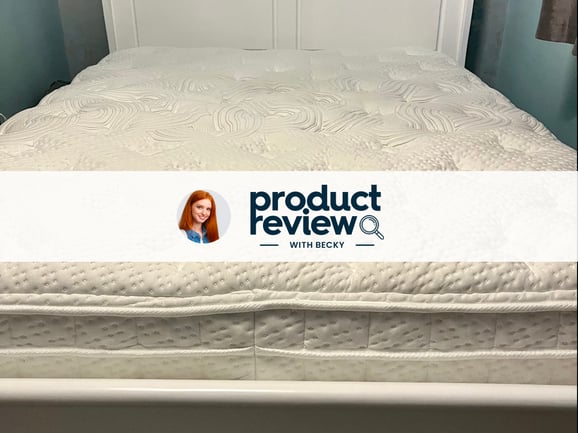
The TheraPur ActiGel® Arctic 3000 Combination Mattress is, in my view, a very deliberate “return of a classic” done properly. If you’ve been around the UK mattress market for a while, the ActiGel story will sound familiar: earlier models in the range (the 800 and 1000) built a reputation for offering a firmer, cooler-feeling alternative to traditional memory foam, particularly for people who wanted support without that slow, sticky “hug”. This 3000 version is the next logical step, and after testing it in-store in person, I’d go as far as saying it’s TheraPur responding to a market that’s become a lot less forgiving.
Consumers are sharper than they were a few years ago. They’re comparing specs, asking about spring counts, looking for genuine cooling rather than marketing fluff, and they want to see where their money is going. Retailers have been forced to improve value in 2026, and the Arctic 3000 is a good example of that shift: more going on inside, a more serious cooling story, and a build that clearly aims to justify its “premium hybrid” positioning.
Now, I’m going to be upfront: our testing was conducted in-store, hands-on, with proper time spent assessing support, comfort, edge stability, and overall feel. It was not an at-home, multi-week trial, so I can’t pretend I’ve lived with it through heatwaves, winter mornings, or long-term wear. What I can do is give you a grounded, honest review based on real physical assessment, construction knowledge, and what customers are consistently reporting. And yes, I’m going to be opinionated, because this mattress is opinionated too: it’s firm to very firm, it’s clearly targeting a specific sleeper, and it will not suit everyone.
Design and features
The headline here is cooling, and TheraPur is leaning into it hard. The Arctic 3000 uses a graphite-infused ActiCool®+ cover, which the brand positions as their “coolest ever”. In-store, the first contact feel is noticeably cool to the touch compared with standard polyester knit covers and even compared with many generic “cool touch” treatments that disappear the second your body heat hits them. I’m naturally sceptical of the word “cooling” in mattress marketing because it’s often used to describe fabrics that feel chilly for about 30 seconds and then behave like everything else. That said, the Arctic 3000’s surface does have that immediate cooler sensation that customers often mention, and it’s clearly part of the experience rather than an afterthought.
Under the cover, you’ve got zoned ActiGel® foam. Zoned comfort layers can be brilliant when executed well and awkward when done poorly. The idea is simple: different parts of your body need different levels of resistance. Hips generally need more support (especially for back sleepers), while shoulders often benefit from a touch more give (especially side sleepers). The problem is that in a firm mattress, zoning can sometimes feel like “it’s supportive everywhere except the bit I actually need to soften”. In the Arctic 3000, the zoning is there to control pressure while maintaining a strong supportive platform, and you can feel that it’s designed to keep you more “on” the mattress than “in” it.
This model is described as a hybrid, using both pocket springs and micro springs. I like seeing micro springs used intelligently because they can add a more responsive, buoyant comfort layer compared with foam-only builds, and they can help with airflow. They can also, frankly, be used as a buzzword when the layer is thin and doesn’t do much. Here, the overall feel suggests you’re getting a genuine spring-assisted surface rather than a token nod to the trend. When I tested it in-store, it had that controlled bounce you’d expect from a properly engineered hybrid: supportive, stable, but not dead or overly rigid like some “firm foam on firm springs” mattresses can be.
Motion control is another stated feature, and hybrids can go either way here. Springs can transmit movement, and micro springs can sometimes add liveliness that light sleepers don’t appreciate. The Arctic 3000 is clearly aimed at reducing disturbances, and the combination of pocket springs (which isolate movement better than open coils) and the foam layers does dampen motion quite well. Customer feedback backs this up too: people specifically mention reduced partner disturbance and a calmer feel.
Edge support is worth calling out. In-store, the perimeter felt secure and usable. That matters more than most people think, because a mattress can feel a whole size smaller if the edges collapse when you sit down or sleep near the side. Strong edge support is also a sign the build is taking structure seriously. Customers have echoed this, saying the surface feels more spacious and that the usable sleeping area is excellent. I tend to trust that sort of consistent feedback because edge support is one of the easiest things for a shopper to notice day-to-day.
One sceptical note: “cooling” is never a magic wand, and I don’t care what the label says. A mattress can help regulate heat, but your duvet, your room temperature, your sleepwear, and your own physiology are still the main event. What I like about the Arctic 3000 is that it’s not relying on one gimmick. You’ve got a cool-touch cover, gel-based foam designed to resist heat build-up, and a spring system that should encourage airflow compared with dense foam blocks. It’s a layered approach, and that’s the only kind of “cooling story” I take seriously.
Mattress comfort
Comfort is where I’m going to be very direct: this is a firm to very firm mattress, and it behaves like one. When I tested it in-store, the immediate impression was stability and posture control. You don’t sink dramatically, and you don’t get that slow-melting memory foam feel. Instead, you get a supportive surface with a bit of contouring, but the mattress is always in charge. That’s exactly what some sleepers want, and exactly what other sleepers will hate.
The feel is best described as “structured comfort”. There’s enough refinement that it doesn’t feel like sleeping on a board, but it also doesn’t indulge you with deep cushioning. The micro springs add a subtle responsiveness that stops it feeling flat, and the zoned ActiGel foam smooths out pressure points better than a basic firm spring mattress would. But make no mistake: the comfort grade is written for people who prioritise support over plushness.
When you lie on your back, the mattress makes a lot of sense. The lumbar area feels held, hips are prevented from dropping too far, and you get that straight, aligned posture that back sleepers tend to chase. This is why firm mattresses are so often recommended for back sleepers, and the Arctic 3000 plays to that strength confidently. If you’ve ever tried a mattress that lets your hips sink while your shoulders stay up, you’ll know that subtle “banana” posture can create morning stiffness. The Arctic 3000 is actively trying to prevent that.
For front sleepers, firmness can be your best friend or your enemy depending on how it’s executed. A mattress that’s too soft can force the lower back into an exaggerated arch, and that’s a fast track to discomfort. The Arctic 3000, because it’s firm and zoned, does a good job of keeping the torso supported. In-store, I felt like it promoted a flatter posture, which is generally what you want as a stomach sleeper. However, I will add a caution: if you’re a lighter front sleeper or you prefer a more cushioned surface, you may find it a bit relentless. It’s a “support first” mattress, not a “sink into it” one.
Now, side sleeping is where this mattress becomes divisive. Side sleepers typically need extra pressure relief at the shoulder and hip. On a very firm mattress, those points can feel compressed, and you can end up tossing and turning because your body can’t fully settle. In-store, when I tested it on my side, I could immediately tell it wasn’t naturally giving the kind of deep shoulder accommodation that most dedicated side sleepers need. That’s not a flaw; it’s a consequence of the design brief. TheraPur has made a firm mattress and it behaves accordingly.
For side sleepers with an hourglass shape, the issue is often more pronounced. You need the mattress to give way under the hip and shoulder while still supporting the waist. A firm surface can leave the waist “floating” or force the shoulder to take too much load. Based on the tension and feel, I would not recommend the Arctic 3000 as a primary choice for curvier side sleepers. You might manage if you’re an occasional side sleeper or you’re heavier and can engage the comfort layers more, but as a rule, this isn’t the one I’d steer you toward if side sleeping is your main position.
One more comfort note: the “cool touch” sensation is real at first contact, and that matters because overheating often starts with that initial feeling of being too warm in bed. The foam and spring build should also help with heat build-up compared with traditional memory foam mattresses that trap warmth. Is it going to feel like sleeping on a refrigerated surface all night? No. But in-store, it gave me more confidence than most “cooling” hybrids because the materials and structure are aligned with the promise.
Suitability
This mattress is very clearly for a particular customer, and I actually respect it more for being decisive. Too many mattresses try to be everything to everyone and end up being vaguely acceptable to most and truly great for very few. The ActiGel® Arctic 3000 is not playing that game.
In my opinion, it best suits:
Dedicated back sleepers who want a firm, stable surface with strong spinal alignment.
Some stomach sleepers who need enhanced support to stop the hips dropping and the lower back arching.
People with heavier builds who often find “medium” mattresses too soft and who need a sturdier comfort grade to keep posture stable.
Hot sleepers who dislike traditional memory foam heat retention and want a cooler surface feel combined with better airflow.
Couples who value reduced motion transfer and a more controlled, less bouncy feel when one person moves.
And I would be very cautious recommending it to:
True side sleepers, especially those who regularly wake with shoulder or hip discomfort, or who need noticeable sink-in pressure relief.
People with pronounced curves (hourglass figures) who need the mattress to contour more deeply at key pressure points.
Anyone who equates comfort with plushness, softness, or that “cloud” feeling. This mattress is not indulgent.
There’s also a practical, consumer-advice point that I think matters: pricing. The Arctic 3000 has been upgraded in a way that does improve value, and I like the direction the market is taking when brands add more substance instead of just raising prices. But it’s still a lot of money for many households. My stance is simple: I would not pay over £1,000 for it. Under £1k, it becomes a much more compelling buy, and that’s where I’d personally draw the line.
And yes, I’m going to say this plainly because it’s one of my biggest frustrations with the UK mattress sector: do not get sucked into fake sales. If the “discount” looks permanent, it probably is. Hold your nerve, track the price, and aim for a genuine deal. This mattress is strong, but it’s not so uniquely revolutionary that you should ignore price discipline.
What customers thought
The customer feedback I’ve seen for the Arctic 3000 is in particular consistent, and that consistency matters. Mattresses are subjective, so when multiple people independently highlight the same strengths, it usually means the product is delivering a clear, repeatable experience rather than a lucky one-off.
The most repeated theme is support, especially for back discomfort. Customers describe the firmer feel as “excellent support” and link it to easing back issues. That matches my in-store impression: the mattress is engineered to keep the spine aligned and reduce excessive sink. For many people with mild back pain, the culprit is poor alignment rather than a need for maximum softness. A firm, stable hybrid can be exactly what helps.
The second standout theme is cooling. Customers mention the cover delivering an instantly cooler sensation and helping them stay comfortable without overheating. This is the kind of feedback I pay attention to because it focuses on experience rather than vague praise. “It feels instantly cooler” is exactly what I noticed in-store too, and it suggests the ActiCool®+ cover isn’t just a technical bullet point; it’s part of what you feel when you get into bed.
Targeted support from the zoned gel foam is another point customers bring up. That’s encouraging, because zoning can sometimes be too subtle for people to notice. If customers are aware of it, it often means the mattress is genuinely balancing pressure relief and posture support in a way that feels intentional.
Motion transfer comes up frequently as well. People note that the pocket and micro springs help minimise disturbance from a partner’s movement. Again, that matches expectations for a good pocketed system with the right comfort layers on top. It’s particularly relevant for light sleepers, couples with different schedules, or anyone who’s tired of being woken up when someone turns over.
Finally, edge support is repeatedly praised. Customers say it makes the surface feel more usable and spacious. That’s not a glamorous feature, but it’s one of the most important day-to-day performance factors, especially if you share a bed or sit on the edge to get dressed. Strong edges also tend to correlate with a better-built overall structure.
If I had to add a “what’s not being said” observation: you don’t see customers raving about plushness, deep sink, or that wrapped-up memory foam feel. And that’s exactly as it should be, because it’s not that kind of mattress. If you’re reading customer comments looking for “it’s so soft and cosy”, you’re probably shopping in the wrong category.
The verdict
The TheraPur ActiGel® Arctic 3000 Combination Mattress is, in my opinion, one of the more honest firm hybrids currently doing the rounds in UK retail. It knows who it’s for, it leans into that identity, and it backs up the marketing with a build that actually supports the claims. The cooling story is more credible than most because it’s not just a token cool-touch cover slapped onto a heat-trapping core; it combines a cooler surface, temperature-regulating gel foam, and a spring system that should help airflow. For hot sleepers who still want a firm mattress, that combination is genuinely appealing.
From my in-store testing, the standout strengths are posture control, a stable supportive feel, good edge integrity, and a more premium, responsive surface than older “firm foam + springs” designs. It feels like the updated, upgraded version of the earlier ActiGel models, and the extra substance is exactly what I want to see as the market gets more competitive and value-driven.
But it is not a universal crowd-pleaser, and I wouldn’t pretend it is. If you’re a side sleeper, particularly with an hourglass figure or pressure sensitivity at the shoulder and hip, I think this mattress is likely to feel too firm and may lead to discomfort over a full night. If you want a plush, cuddly bed you sink into, this isn’t that either. This is a “sleep aligned, sleep cool, sleep supported” mattress.
My other strong opinion is pricing: the upgrades make it better value than older versions, but it can still be expensive. I’d advise buying it only when the deal is genuinely good. For me, sub-£1,000 is the point where it feels like a smart purchase rather than an emotional one. Hold strong, ignore the noise around “limited time” discounts, and buy when the numbers make sense.
If you’re a back sleeper who runs warm and you’ve been disappointed by softer hybrids that feel great for five minutes and then let your hips sink all night, the Arctic 3000 is absolutely worth a serious look. If you’re a dedicated side sleeper chasing pressure relief, I’d keep browsing, because this mattress is proud of being firm, and it doesn’t apologise for it.
Why you can trust WantMattress
We spend hours testing (and/or researching) every product or service we review, so you can be sure you’re buying the best. Find out more about
how we test .
Published: 29 March 2026
Tested by
Becky Reeve , Editorial Director, Mattress Expert