What our reviewers found
Introduction
I spent time with the Silentnight Payton Sleepmotion Adjustable Upholstered Bed Frame in-store, hands-on with the controls and up close with the upholstery, seams, headboard proportions, and the overall stability of the base. This is not a “we unboxed it at home and lived with it for six months” review (so I can’t speak to long-term motor noise, day-to-day reliability, or whether the fabric bobbles after repeated contact). What I can do is tell you exactly how it presents in person, how it operates on the shop floor, and—importantly—whether I think it earns its price tag.
And yes, I have opinions, because this is one of those products that practically demands them. The Payton sits in that awkward bracket: clearly designed to look like a statement bed, but also asking you to pay proper money for the adjustable tech underneath. When it’s done well, an adjustable base is genuinely life-improving. When it’s bought for the novelty and left flat for the next decade, it’s an expensive way to own features you don’t use.
The Payton is also fairly unique looking, and I’ll be honest: I’m not entirely sure I like it. It’s not as bad as some of the others launched in the range (the Holden was awful—over-designed in a way that felt like it was trying too hard), but the Payton still walks a fine line between “luxury hotel cocoon” and “slightly theatrical showhome.” Some people will adore that. Others will find it a bit much in a normal British bedroom. Either way, it isn’t boring, and I’ll give it that.
Design and features
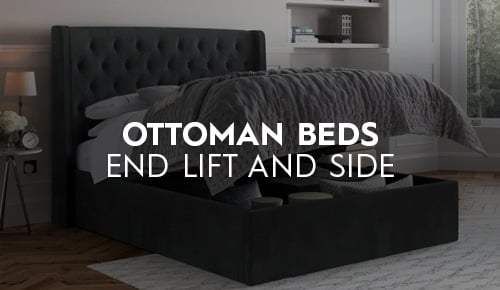
The most immediate thing you notice in-store is the headboard. Silentnight describes it as a “statement winged headboard,” and that’s accurate. It’s tall, winged, and designed to frame your pillows and visually “hold” the bed space. In a showroom, it does exactly what it’s meant to: it becomes the focal point. In a real home, that’s either a huge win (if you want the bed to feel like a centrepiece) or a mild problem (if your room is compact and you don’t want the bed to dominate everything else).
The wing design creates that cocooned feel—especially if you sit up in bed to read or watch telly. It’s not just a flat panel; it has presence, and that makes the Payton feel more expensive than a basic upholstered frame at a glance. The piping and the stitched seams help here too. Those tailored details add structure to what could otherwise look like a big slab of fabric.
Colour choice matters more than brands like to admit. The Payton comes in three colours, and the fact there are only three is both good and bad. Good: the palette is curated; you’re less likely to end up with a weird, trendy shade that looks dated quickly. Bad: if your bedroom scheme is specific, you may find yourself compromising. In-store, I’d describe the overall vibe as “timeless with a dash of boutique.” It’s not minimalist. It’s not traditional. It’s trying to sit in that modern-luxe middle ground.
Now, the real reason anyone should be looking at the Payton is the Sleepmotion adjustable base. The feature list is straightforward but meaningful:
Highly durable woven fabric upholstery (marketed as “life-proof comfort and timeless style”)
Two adjustable support areas (upper back and feet)
Zero Gravity positioning (to reduce pressure while you sleep)
Wireless remote included
Optional upgrades depending on base choice (split base for independent control; potential built-in massage units)
Let’s talk practicality. The wireless remote is essential. Adjustable beds with clunky wired remotes feel dated immediately, and in-store the wireless control makes it feel more premium. But the remote is only as good as how intuitive it is, and I always judge these on two things: can you adjust smoothly without hunting for buttons, and can you return to flat quickly when you’re half-asleep? In-store, the adjustments felt responsive, and the basic “get me back to flat” experience was easy enough.
Two adjustable zones—upper back and feet—covers the main use cases most people actually need. You can elevate your upper body for reading, reflux, or snoring management, and raise your legs for circulation or that “I’ve been on my feet all day” relief. Some adjustable systems get overly complicated with extra articulation points that sound impressive but don’t always translate to better comfort. For most households, back + feet is the sweet spot.
Zero Gravity is one of those terms that sounds like marketing fluff until you’ve tried it properly. In practice, it’s a preset position that lifts the legs and slightly elevates the torso to reduce pressure and encourage a more “neutral” alignment. Does it feel nice? Yes. Is it magic? No. It’s not going to fix a poor mattress or compensate for a pillow that’s the wrong height. But as a position for decompressing at the end of the day, it’s genuinely pleasant—and in-store I could see it being the sort of feature people actually use, provided they buy the bed for the right reasons.
The big question is whether the Payton’s looks justify the cost on top of the adjustable tech. This bed is over a grand, and at that level I expect design confidence and better-than-average finishing. The Payton is robust and visually polished, but there’s a difference between “looks premium in a showroom” and “is a smart purchase long-term.” Which brings me to the less glamorous side: guarantees and value.
Construction
In-store, the Payton felt robust. That’s the first baseline requirement for an adjustable base: if it creaks, flexes, or feels like it’s straining under movement, I’m out. Adjustables need to lift and hold weight repeatedly, and the whole point is to let you change position without the bed feeling fragile.
The upholstery is described as a highly durable woven fabric. In my hands, it read as a sensible, hard-wearing choice—more practical than delicate velvets or fabrics that show pressure marks instantly. If you have pets, children, or you’re simply the type of person who lives on their bed with a tea and a laptop, the “life-proof” angle makes sense. That said, “durable” is a claim that only time truly verifies. In-store, I can assess weave tightness, texture, and whether it looks like it would snag easily. It didn’t scream “snag magnet,” which is a good start.
The headboard construction is a key part of the Payton’s identity. The wings and height create an impression of substance, and it didn’t feel flimsy when I pressed and leaned. Some winged headboards look great but feel hollow and thin; the Payton didn’t give me that immediate “this will wobble in six months” worry. The piped seams are also doing visual heavy lifting here: they add definition and make the upholstery look tailored rather than baggy.
Now, the adjustable mechanism itself is where I always become slightly sceptical, because this is the part consumers can’t easily “see.” In-store, the movement was smooth and controlled, and the base didn’t feel like it was twisting or struggling. That’s positive. But motors and hinges are exactly the components where long-term reliability matters, and this is where my biggest criticism lands: a 1-year guarantee at this price is absolutely shocking.
I’m going to be blunt: if you’re charging over a grand for a bed frame with integrated adjustable technology, I expect the manufacturer to stand behind it properly. One year might be legally adequate, but it is not reassuring. Adjustable beds are not purely decorative furniture; they are mechanical products. People buy them for comfort, health needs, or lifestyle upgrades. A short guarantee undermines confidence, full stop.
To me, it creates an uncomfortable dynamic: you’re paying a premium for tech features, but you’re not getting the kind of warranty coverage that matches the “investment purchase” message. If you’re considering the Payton, you should clarify exactly what is covered (frame, motors, electrical components, remote) and whether there are extended warranty options. If you’re the sort of buyer who likes peace of mind, this should be a deciding factor, not an afterthought.
Suitability
The Payton will suit you brilliantly or irritate you quietly, and it depends on one thing: will you actually use the adjustable functions?
If you’re buying it because you love the winged headboard and you want an upholstered statement bed, pause. At this budget, you can buy a genuinely beautiful non-adjustable upholstered frame and allocate the rest to a better mattress, premium bedding, or even a bedroom furniture refresh. An adjustable base is best viewed as a functional tool. If it’s going to stay flat 95% of the time, you’re effectively paying for hidden hardware you don’t benefit from.
On the other hand, if you’re someone who reads in bed most nights, scrolls your phone for half an hour before sleep, or tends to prop yourself up with multiple pillows (and then wakes up with a stiff neck), an adjustable base can feel like a revelation. It allows you to raise the upper body without folding yourself into an awkward curve. In that scenario, the Payton starts to make sense: the headboard supports the “cosy” vibe while the base supports your body properly.
It’s also a strong option for people who like elevating their feet after long workdays. I see a lot of buyers who don’t think they need leg elevation until they try it in-store—and then they suddenly get why it’s a thing. It’s not a gimmick if it becomes part of your nightly wind-down routine.
Zero Gravity is best for people who want a preset that feels “instantly comfortable” without fiddling. If you’re indecisive or you don’t want to micro-adjust positions, having a button that gets you to a relaxing posture is genuinely useful.
The split base option is worth mentioning too, because it changes the buying logic for couples. If you and your partner have different bedtime routines—one reads upright, the other wants flat—independent control is a relationship saver. But it’s also the sort of upgrade that pushes costs higher. My advice is to be honest about whether you’ll use independent adjustment weekly, not theoretically.
Design-wise, the Payton suits rooms where you want the bed to be the centrepiece. If your bedroom is small, the wings can visually “close in” the space. That might feel cosy, or it might feel cramped depending on layout. The height of the headboard also matters if you have low windowsills or awkward wall features.
One more practical note: adjustable bases can be heavier and less forgiving when it comes to moving, repositioning, or fitting around tight staircases. Because my testing was in-store, I didn’t experience delivery realities in a typical UK home (narrow hallways, sharp turns, old terraces), but it’s something to consider before you buy. Always check access and ask about delivery setup.
What customers thought
The customer feedback provided aligns closely with what I saw in-store, particularly around the bed acting as a focal point. One review described the Payton as the kind of frame that would elevate any bedroom, calling out the winged headboard and piping accents as instant style upgrades. That’s believable, because those are exactly the elements that stand out at first glance. Even if you don’t love the look personally (and I’m still not completely sold), it’s hard to deny it has impact.
The same review also mentioned the three colour options and the ability to upgrade the base as a way to personalise the bed to your needs. That’s an important point: the Payton isn’t just one fixed product. The frame gives you a consistent exterior style, and then the Sleepmotion base choice determines how “techy” the experience becomes—whether you go simple with back/feet adjustment or add features like split control or massage units.
Here’s my slightly sceptical take on customer enthusiasm, though. Style feedback is immediate; it’s the kind of thing you feel on day one and continue to feel because you see it every day. Comfort feedback with adjustable beds is different: it depends on habit formation. Plenty of people love the idea of an adjustable bed, use it daily for two weeks, then slowly revert to sleeping flat because it’s familiar.
So when customers praise the ability to personalise, I agree—but I also think buyers should ask themselves: will I genuinely build a routine around these features? If yes, fantastic. If not, you might end up with a very expensive standard bed position and a remote you occasionally knock behind the bedside table.
I also think it’s worth reading between the lines of glowing design praise. When someone says it “instantly elevates a room,” that’s often code for “it’s dramatic.” Dramatic is great when it matches your taste. If your preference is calm, Scandinavian simplicity, the Payton may feel like too much visual weight.
The verdict
The Silentnight Payton Sleepmotion Adjustable Upholstered Bed Frame is a bold, slightly divisive design wrapped around genuinely useful adjustable tech. In-store, it felt robust, the upholstery looked sensibly durable, and the headboard delivered on its promise to create a bedroom centrepiece. The adjustable functionality—particularly the upper back and feet zones and the Zero Gravity positioning—is the kind of feature set that can meaningfully improve comfort if you’ll actually use it.
But I’m not going to pretend it’s an easy recommendation, because there are two major caveats.
First: the look. It’s fairly unique, and while it’s certainly better than some of the more questionable designs in the broader range (I still think the Holden was awful), the Payton’s winged cocoon styling won’t suit every room or every taste. If you love statement upholstery and you want your bed to be “the” feature, you’ll enjoy it. If you prefer understated design, you may tire of it.
Second—and more importantly: the value proposition is only strong if you use the adjustable base properly. Adjustable tech beds are good value when they serve a purpose in your life: reading support, snoring/reflux positioning, leg elevation, relaxation presets, independent control for couples. If you’re a “set it and forget it” sleeper who leaves the bed flat, you’ll lose money on features you don’t use. At that point, the Payton becomes an expensive aesthetic choice rather than a smart functional purchase.
And then there’s the guarantee. A 1-year guarantee for a bed at this price is, in my view, unacceptable. It doesn’t mean the product will fail—but it does mean the brand isn’t offering the level of reassurance I’d expect when motors, moving parts, and electronics are part of the package. If you’re considering buying, I would treat this as a non-negotiable question: confirm what’s covered, for how long, and what support looks like if something goes wrong.
My overall position is this: if you want an adjustable bed frame and you’re excited to use those features regularly, the Payton is a strong contender with a distinctive, premium-leaning look. If you’re mainly shopping for a beautiful upholstered bed and the adjustable function is a “nice to have,” I’d steer you toward a simpler frame and put the savings into the mattress—because that’s where your comfort will really live, night after night.
Why you can trust WantMattress
We spend hours testing (and/or researching) every product or service we review, so you can be sure you’re buying the best. Find out more about
how we test .
Published: 25 April 2026
Tested by
Becky Reeve , Editorial Director, Mattress Expert