What our sleep experts found
The ASC Linden Pocket 1000 Mattress is the sort of model I’d describe as sensibly traditional, with just enough going on to feel like a step up from entry level, but not enough to pretend it belongs in the premium bracket. I’m writing this review from the UK and from an online, spec-led standpoint only. Archers is based in Scotland and I did not have the opportunity to visit in store, and I also haven’t trialled this mattress at home. So this is not a “slept on it for six months” story. It’s a construction-focused assessment based on what’s been stated, what tends to happen with these builds in the real world, and the pattern I’ve seen across a decade in the mattress industry.
That said, I know this exact style of mattress inside out because I’ve handled and tested loads of similar 1000 pocket, fibre-filled, tufted damask models over the years. When I’m in a showroom and I press into the surface on this type of build, you usually get that immediate springy pushback with a slightly flatter top, rather than a deep, cushioned sink. That’s the vibe I’d expect here too.
Design and features
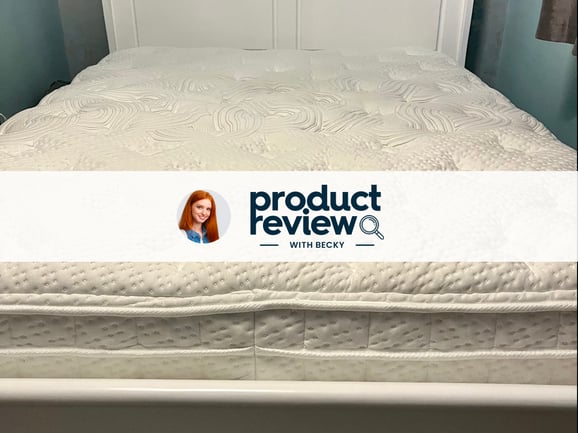
On paper, the Linden is built around a 1000 pocket spring unit paired with white fibre fillings, finished in a woven damask cover and finished with hand tufting. That combination is a classic British value proposition. You get a spring system that should behave better than a basic open coil, and a traditional finish that usually helps a mattress keep its shape for longer than the cheapest alternatives.
The tufting matters more than many shoppers realise. When tapes are pulled through and secured with wool tufts, it compresses and stabilises the comfort layers so they don’t drift and mound as quickly. But I’m also a little sceptical here, not because tufting is bad, but because fibre-heavy builds can still feel “surfacey” over time if the fibres compress. Tufting slows that down, it doesn’t stop it. The damask cover reads as a quality touch and it can feel nicer against a protector than some thin knitted covers, but it’s not a performance feature on its own. It’s more about a traditional look and a firmer hand feel.
One thing I always check on tufted damask mattresses is how ‘lumpy’ the tufts feel when you run your hand across the top. Some are fine, some you can really feel through a thinner protector, and if you’re sensitive to texture it can annoy you. I’d also be looking for proper side handles on a two-sided mattress like this, because if it’s heavy (and these often are), rotating and flipping without handles is a pain and it’s exactly why people stop doing it.
Mattress comfort
This is a medium tension mattress, and in my experience medium pocket spring models like this tend to feel initially supportive, with a slightly flatter comfort profile rather than a plush, sink-in hug. The pocket springs should give a more responsive kind of contouring where the shoulders and hips settle a bit, then you feel the springs push back. If you’re coming from an open coil mattress, it can feel like a revelation. Less ripple when your partner moves, less of that hammock dip, and a more “held” sensation through the middle.
In practical terms, when I lie on this sort of medium 1000 pocket build on my back, I usually feel my hips held up pretty quickly, it doesn’t let you drop in and wallow. On my side, it tends to be comfortable at first, but it’s not that pillowy, pressure-melting feel you get from deeper foam or proper natural fillings. You’re more ‘on’ it than ‘in’ it, which some people love and some people really don’t.
But it’s important to be blunt. With generous layers of white fibre fillings rather than deeper foam or natural fillings, you should set expectations accordingly. Fibre can feel comfortable, but it often compresses sooner than people expect, especially in the areas you load most. If you want that richer, more pressure-relieving comfort that stays consistent night after night, this probably won’t give you the same satisfaction as a mattress with deeper comfort layers and at least 1500 pocket springs. The Linden is decent, but it isn’t indulgent.
The other trade-off is motion and noise. Pocket springs are better than open coil, but with a more traditional, tufted build you can sometimes get a bit more ‘bounce’ than you’d get from a foam-topped hybrid, and if you’re very fussy about partner movement it’s worth bearing in mind. And if you’re a lighter side sleeper, say under about 60-70kg, medium with firmer damask and fibre can still feel a touch firm around the shoulder compared to a plusher, foamier medium.
Suitability
For most average-weight sleepers, this medium feel is best suited to side sleeping first, and back sleeping second. Side sleepers usually do well because the pocket springs can flex locally, and a medium tension avoids that harsh, shoulder-numbing feeling you can get on firmer traditional mattresses. If you’re an average build and you move between side and back, this is the kind of mattress that typically keeps the transition easy. You don’t feel stuck, and you don’t have to fight the surface.
Back sleepers who like a firmer, flatter alignment might want to look one step firmer than this, or look for a build with a higher spring count and more substantial fillings to improve contouring and stop the hips dipping over time. And if you’re heavier, I’d be cautious. Pocket 1000 can still work, but with fibre fillings it may not hold that “new mattress” support for as long as you’d like. This is also a dual-sided mattress, which I genuinely like. Being able to rotate and flip can extend comfort life, but only if you actually do it. If you know you won’t keep up with it, a one-sided design with more robust comfort layers might suit your lifestyle better.
What customers thought
I’ve been provided customer feedback to help shape the narrative here, and the themes you usually see with this category tend to be consistent. People upgrading from budget open coil mattresses often report immediate improvements in support and reduced partner disturbance. And that makes sense, because pocket springs isolate movement better and typically offer more targeted support to the hips and lower back. Customers also tend to like the traditional finish, it feels like a “proper mattress” rather than a compressed roll or an ultra-light model.
The verdict
I’m going to be clear. The ASC Linden Pocket 1000 sits in the lower to mid quality bracket. And I don’t mean that as an insult. It simply means it’s a practical, traditional pocket spring mattress that should outperform the flimsy open coil budget models you see in too many big-name retailers. It’s better than those, but it’s not as good as options with deeper fillings and a minimum 1500 pocket springs. If you want a straightforward medium, prefer a classic damask finish, and you’re willing to rotate it regularly, it’s a sensible buy.
For me personally, this sits in the ‘good for the money if you know what you’re buying’ bracket. I like the honest, two-sided, tufted approach, but I wouldn’t oversell it as a long-term luxury feel, and I’d be budgeting for a bit of settling in the fibre over time. If you’re chasing that “wow” comfort, if you’re heavier, or if you know you’re picky about long-term feel, I’d treat this as a stepping stone, not the final destination. Personally, I’d rather see you stretch your budget slightly and move up a tier if you can. Still, within its lane, the Linden looks honest, traditional, and better built than the true budget end of the market.
Why you can trust WantMattress
We spend hours testing (and/or researching) every product or service we review, so you can be sure you’re buying the best. Find out more about
how we test .
Published: 18 April 2025 · Updated: 19 August 2025
Peer reviewed by
Becky Reeve , Editorial Director, Mattress Expert