What our reviewers found
I tested the TheraPur ActiGel® Alaska 6000 Combination Mattress in-store, spending a good amount of time moving through the usual “real life” positions (side, back, half-twisted, perched on the edge, the lot). I want to be very clear about the context before we get into it: this is not a home trial review, so I can’t tell you how it performs after eight hours of sleep, in mid-summer, with a partner who steals the duvet. What I can tell you is how it feels, how it’s built (and how that build is being marketed), whether the pricing makes sense, and who I honestly think it suits.
And I’m going to be blunt, because I think shoppers deserve it. Dreams (and a lot of the mainstream UK bed retail world) is currently obsessed with “bigger number = better mattress” storytelling. This mattress is a perfect example: “6000” sounds dazzling, but in practice I’m not convinced the typical customer will feel a meaningful difference compared to far lower spring counts. Add in micro springs, add a cooling story, add a premium price tag, and suddenly you’ve got a mattress that looks like it’s aiming for the luxury bracket… while still not offering the craftsmanship, heritage, or finish you’d expect from the brands that truly own that space (Vispring being the obvious comparison in the UK market).
That doesn’t mean it’s a bad mattress. It does mean you should walk into this purchase with your eyes open: you’re paying for a very specific feel (soft-to-medium, pressure relieving, “cool touch” on first contact) and a very specific marketing package. Whether that’s worth it will depend on your body shape, sleeping position, sensitivity to heat, and budget tolerance.
Design and features
The Alaska 6000 is positioned as TheraPur’s “advanced cooling” option, and the headline feature is the graphite-infused ActiCool®+ cover. In-store, the cover does give that immediate cool-hand sensation you get with certain performance fabrics. It’s the kind of surface that makes you think, “Yes, this will help in summer.” I do believe it can improve the first phase of getting to sleep, particularly if you’re the type who runs hot and struggles with that initial heat build-up.
However - and this is where I get sceptical - cool-touch covers are not the same thing as long-duration cooling. They can help you feel more comfortable as you settle, and good moisture wicking is genuinely useful, but they don’t magically delete body heat all night. Cooling in mattresses is always a system: cover, comfort layers, airflow through the build, room temperature, bedding choices, and your own physiology. The Alaska 6000 does at least attempt to tackle the system rather than relying on one gimmick, because the ActiGel® foam layer is designed for faster heat transfer than standard memory foam.
The star of the internal build, in my view, is the “deepest 6cm layer of zoned ActiGel® foam.” A full 6cm is substantial in-store. It’s enough to noticeably change how the mattress receives your shoulder and hip, and it’s why this model creates that “sink-in but supported” sensation that side sleepers often crave. The zoning element matters too: when zoning is done well, you get relief where you need it (shoulders/hips) without your waist collapsing into a hammock. In-store, I felt the intention of the zoning more than I felt any “micro spring magic.”
Now, about the springs. This is marketed as a “6000” mattress, and I need to address that directly because it’s the sort of claim that persuades people to overspend. High numbers typically include a mix of pocket springs plus micro springs, sometimes counted in ways that are not straightforward for the customer. I’m not saying micro springs are useless; I’m saying the benefit is frequently overstated. Micro springs can add responsiveness and a slightly more buoyant feel than foam alone, and they can contribute to airflow. But do most people feel a materially “better” sleep on a 6000-spring headline mattress versus a well-made 2000 pocket spring mattress with a smart comfort layer? In my experience, no. Not consistently, and not proportionate to the price jump.
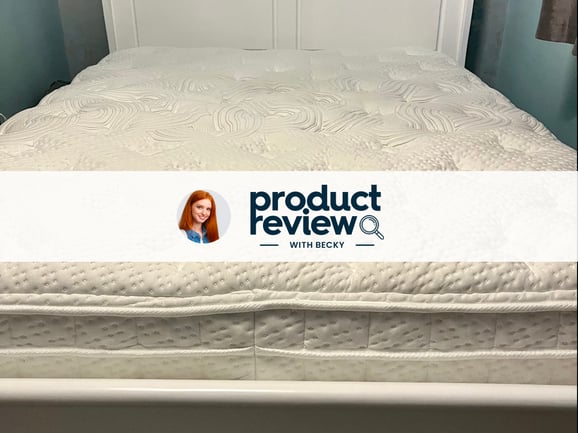
One thing I did like during my in-store testing: edge support felt reinforced and stable. Sitting on the side didn’t produce that dramatic slope-off sensation you get on softer hybrid builds, and lying close to the edge didn’t make me feel like I was about to slide. That sounds like a small detail, but for couples sharing a UK king, or anyone who values the usable surface area, it matters.
Overall design impression: it’s a modern, feature-led mattress designed to tick boxes - cooling, zoning, “loads of springs,” pressure relief, edge support. It’s not built to romance you with natural fibres, hand tufting, or artisanal finishing. It’s built to win a showroom comparison test, where “feel it for two minutes” often drives the decision.
Mattress comfort
In-store, the Alaska 6000 sits clearly in the soft-to-medium comfort bracket, with a noticeable sink from the top comfort layers. The feel is immediately inviting if you’re a side sleeper: your shoulder can settle in without that sharp “push back” you get from firmer pocket spring models, and your hip gets a gentler landing too. This is the kind of mattress where people often say, “Ahh, that’s nice,” within the first few seconds.
But here’s my honest take: it’s also the kind of mattress that can flatter you in a showroom and then divide opinion at home. Why? Because the “sink-in feeling” can be blissful for the right body type and sleeping style, and slightly annoying (or even uncomfortable) for others. If you’re someone who likes a more on-top, buoyant, hotel-style tension, I don’t think this will be your cup of tea. You’ll likely find it a bit too yielding, especially if you’re a back sleeper who dislikes any sensation of your pelvis dropping.
The ActiGel® foam is doing the heavy lifting for pressure relief. When I lay on my side and really gave it time (not just a quick perch), I could feel the shoulder area easing rather than being jammed upward. That’s a huge win for anyone who gets that familiar shoulder pinch or arm numbness on firmer beds. The hip area also felt cushioned in a way that suggests this mattress is designed for comfort first, support second - though the zoning tries to keep the support story credible.
Motion transfer is another key comfort element, especially at this price point where couples expect better performance. While I can’t replicate a partner turning over in-store in a truly realistic way, I did test the surface response by shifting position quickly and pressing down around where a second sleeper would be. The mattress behaved like a good hybrid: it dampened movement better than an open-coil or very bouncy pocket spring mattress, and it felt calm rather than reactive. This matches the customer feedback noting that “thousands of pocket and micro springs work together to minimise motion transfer.” That’s plausible, and it matches the design intent.
On cooling: the cover does feel cool initially, and that’s not in my imagination. It’s a tactile, immediate sensation. Whether that translates into “soothing hot sleepers instantly” all night long is where I urge caution with the marketing language. My opinion is that it will help you start sleep more comfortably, and if you pair it with sensible bedding (breathable protector, not a thick synthetic topper), it may well reduce overheating. But if you’re a chronic hot sleeper with night sweats, don’t expect any mattress to be a miracle. Treat cooling tech as a helpful nudge, not a cure.
One comfort point that deserves some honesty: the deeper and more complex you build the top of a mattress (foam layers, micro springs, plush quilting), the more you’re asking the mattress to maintain that “showroom feel” over time. Without a long home trial and months of use, I can’t say how this holds up. But as an industry professional, I will say that very plush feels can be more sensitive to body impressions, especially for people who sleep in the same spot and don’t rotate regularly.
Suitability
This mattress has a clear “best for” profile, and I’d rather steer the wrong people away than pretend it’s for everyone.
In my opinion, the Alaska 6000 is most suitable for:
Side sleepers who want pressure relief at the shoulder and hip, and who actively enjoy a bit of sink-in comfort.
People with a lower BMI than average who often find medium-firm mattresses feel too hard or “pushy.” The softer-to-medium tension here can be a relief.
Those with hourglass figures who need extra sinkage so the waist is supported properly without the shoulder/hip taking all the load. The zoning and depth of comfort layers can help create that contouring.
Couples who value reduced disturbance from movement. The build is geared toward calmer motion behaviour than a traditional bouncy spring mattress.
Hot sleepers who like the sensation of a cool cover and want improved moisture management, provided expectations stay realistic.
I am more hesitant to recommend it for:
Stomach sleepers. Soft-to-medium with sink can pull your lower back out of alignment, especially if your hips sink more than your chest.
Heavier individuals or anyone who prefers a very supportive, “on top” feel. You may feel like you’re sitting into it rather than being held up by it.
People who want classic luxury craftsmanship at a premium price point. This isn’t that type of product; it’s a modern retail luxury, not a heritage luxury.
Anyone on a tight budget looking for the best value per pound. There are mattresses at much lower price points that deliver excellent sleep - without the spring-count theatre.
To make it even clearer: I think the Alaska 6000 is a comfort-led choice, not a “buy it because 6000 is impressive” choice. If you lie on it and genuinely love the pressure relief and the surface feel, that’s a valid reason. If you’re buying it because you’ve been led to believe 6000 is automatically twice as good as 3000, I think you’re being nudged by marketing rather than mattress engineering.
What customers thought
The customer feedback I was given lines up neatly with what I felt in-store, which is reassuring - because sometimes reviews describe a mattress that bears little resemblance to the one you test for five minutes under retail lighting.
First, cooling. Customers specifically call out the graphite-infused ActiCool®+ cover creating a “noticeably cooler feel” and helping them drift off without overheating. That matches my impression of the initial hand-feel and first-contact coolness. I can absolutely see how that would improve comfort at bedtime, particularly for people who feel warm quickly. The key detail is that customers are describing the experience of drifting off - exactly where cool-touch covers tend to shine.
Second, pressure relief. The reviews mention “deep gel layers deliver effective pressure relief for the shoulders and hips.” That is, to me, the most credible and meaningful benefit of this mattress. In a showroom test, shoulder comfort is one of the fastest things to assess, and the Alaska 6000 does a good job of allowing the shoulder to sink without creating a harsh pressure point. If you’re someone who wakes with shoulder ache or tosses and turns trying to get comfortable, this element could be the deciding factor.
Third, motion transfer. Customers mention that “thousands of pocket and micro springs work together to minimise motion transfer.” I’m always careful with this claim because “springs” and “motion isolation” don’t naturally sound like best friends, but in a hybrid build with foam layers, it can be true. Pocket springs move more independently than older spring systems, and foam on top can dampen the sensation further. From my in-store testing, it felt controlled rather than lively, which is what you want if you share a bed with a fidget.
Fourth, edge support. This is one of those practical qualities people only rave about when they’ve previously suffered without it. Customers highlight “reinforced edge support” and say the full surface feels usable. I agree with that based on how it felt when I sat and lay near the edge. If you’re a couple, or you like sprawling, usable edge support is not a minor feature - it can genuinely make a king feel like a king rather than a slightly larger “no-go zone” around the perimeter.
Now, here’s the part I wish more customer reviews would address, because it’s where my own scepticism sits: value. Reviews often focus on comfort (which is fair), but fewer people talk about whether the price makes sense relative to what else is on the market. That’s where I think shoppers need a reviewer to be a bit braver. Even if customers love the feel, it doesn’t automatically mean the spring-count story is anything more than a justification for the cost.
The verdict
The TheraPur ActiGel® Alaska 6000 Combination Mattress is a very comfortable, very modern, feature-driven mattress that does two things particularly well: it delivers a pleasing cool-to-the-touch first impression, and it provides genuinely enjoyable pressure relief for side sleepers.
But I’m not going to pretend I’m fully on board with the way it’s positioned. The “6000” angle, in my opinion, is doing a lot of heavy lifting in the sales narrative without delivering a proportionate leap in feel compared with well-designed mattresses at lower spring counts. Micro springs can add nuance, yes - but they can also be used as hype: a way to deepen the mattress, add complexity, and justify a price increase while the everyday experience remains “nice and comfy” rather than “dramatically better.”
And that brings me to my biggest sticking point: who is this actually for? At this price level, most people either want outstanding value (which means spending less for similar comfort) or they want true premium craftsmanship and heritage (which tends to mean natural fibres, hand finishing, and a brand identity that has earned the price tag over decades). The Alaska 6000 sits awkwardly in between. It’s expensive for most households, yet it doesn’t deliver the old-school luxury story that normally dominates this bracket.
So here’s my clear, opinionated recommendation based on my in-store testing and industry experience:
If you are a side sleeper with a lower-than-average BMI (or you simply like a softer-to-medium, sink-in feel), and cooling matters to you, this mattress is genuinely worth trying in person. The pressure relief and surface feel are its strongest selling points.
If you are value-driven, or you’re buying the number rather than the comfort, I would be cautious. You can get excellent support, motion isolation, and cooling-minded materials for significantly less money.
If you’re shopping in this price window because you want craftsmanship and that “heirloom” sense of quality, I don’t think this is the right spend. It’s a modern retail premium, not a heritage premium.
My final take is slightly conflicted, but not confused: I think it’s a good mattress with a questionable pricing narrative. If you lie on it and it immediately solves your shoulder and hip comfort, that’s powerful - sleep is personal, and comfort wins. But if you’re stretching your budget because you’ve been persuaded that 6000 springs equals superior sleep, I’d step back, test a few alternatives, and make sure you’re paying for a feel you truly love rather than a headline figure designed to impress on a spec card.
Why you can trust WantMattress
We spend hours testing (and/or researching) every product or service we review, so you can be sure you’re buying the best. Find out more about
how we test .
Published: 29 March 2026
Tested by
Becky Reeve , Editorial Director, Mattress Expert