What our sleep experts found
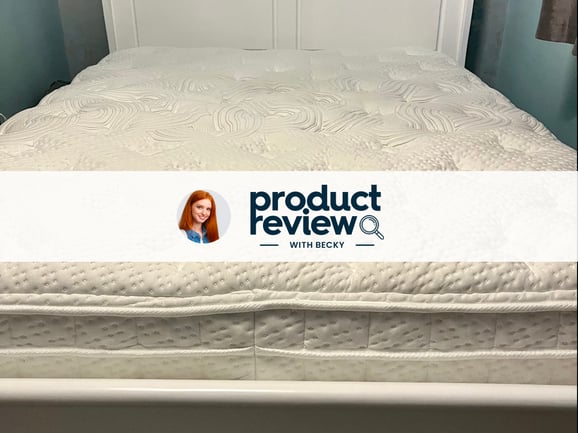
I tested the Silentnight Eco Pocket Plus Mattress in-store (side-by-side with the standard Eco Pocket model), and it left me with a very specific impression: it’s a genuinely comfortable, very likeable “modern Silentnight” pocket sprung mattress that tries to do something a bit greener without turning the spec into a gimmick. That said, it’s not a miracle mattress, and I wouldn’t pitch it as one. It’s a medium tension on paper, but in person it leans medium-firm depending on your weight and what you’re used to, and that difference matters a lot when you’re spending this kind of money.
To be clear about my testing context: my assessment comes from hands-on in-store analysis only. I lay on it in multiple positions, checked edge support, pressure feel through shoulders and hips, and compared it directly to the non-Plus version. I haven’t slept on it for weeks at home, so I’m not going to pretend I can speak to long-term heat build-up or how the comfort settles beyond what the materials and build typically do over time.
Design and features
The headline is the spring system: 800 zoned pocket springs with an added layer of 1000 mini-springs . In plain English, that’s a traditional pocket-sprung “core” designed to support you in zones, topped with a finer, more responsive layer intended to smooth out pressure points and increase that “contouring” sensation. Silentnight also includes its Eco Comfort Fibre™ layer, which is breathable, hypoallergenic, and made from recycled plastic bottles. I’m usually sceptical of eco claims in bedding because brands can overplay them, but here it’s at least being used in a way that makes sense: fibres that promote airflow and reduce that stuck-in-the-mattress feeling. If you’re the sort of sleeper who wakes up stuffy or clammy, breathable fibres are not just marketing fluff.
It’s also a no-turn mattress , which is convenient, but I always treat “no-turn” as “no-turn, but do your homework.” The brand recommends rotating every two months, and I agree with that. With any mattress that relies on comfort layers above springs, rotation helps even out early settlement and keeps the feel more consistent. Silentnight also notes the airing period after delivery and that settlement of fillings is normal. That is true industry-wide, but it’s worth reading as a reminder: if you expect it to look and feel identical day 1 to day 30, you’ll drive yourself mad.
Mattress comfort
In-store, the Eco Pocket Plus felt noticeably more refined than I expected. I’m going to be blunt: micro-springs don’t always make a meaningful difference , I’ve tested plenty where they’re more of a spec-sheet flex than a comfort upgrade. But with this mattress, because I could try the Plus and the standard Eco Pocket back-to-back, I could feel the difference. The Plus gives a more “shaped” support under the curves of the body, especially through the waist when side-sleeping and through the upper back when lying on your back. The non-Plus version, by comparison, felt flatter and a touch more basic in how it met the body.
That said, don’t expect a deep, memory-foam style hug. This is more of a gentle contour with buoyancy. The comfort sensation is spring-led: responsive, supportive, and slightly “lifted,” rather than slow-moulding. Personally, I think that’s a positive for most people, because it’s easier to move on and tends to feel less heat-trappy. The medium tension label is broadly fair, but I would warn that if you’re coming from a very soft mattress, this will feel firmer at first. One of the customer reviews echoes that perfectly: someone used to an orthopaedic mattress still found it “very firm for a medium.” That tells me two things: one, comfort perception is wildly relative; and two, this mattress likely sits on the firmer side of medium for lighter-to-average weight sleepers.
Suitability
My opinion matches the brief: this medium tension works for both back and side sleepers , but it’s at its best for side sleeping. The extra mini-spring layer helps the shoulder and hip settle more naturally than the standard model, which is exactly where side sleepers either fall in love with a mattress or reject it within ten seconds. For average-weight sleepers, I think it offers a nicely balanced mix of pressure relief and support, and it feels stable enough that you don’t get that rolling-towards-the-middle sensation you can sometimes get on softer builds.
Where I’m less enthusiastic is for dedicated back sleepers who want a really locked-in lumbar feel. It’s supportive, yes, but if you’re someone who buys “medium” and secretly means “firm,” you may be happier going a step firmer for even more spinal alignment, particularly if you have a history of lower back niggles. For heavier sleepers, I’d also recommend caution with any medium design unless you’ve tested it in person, because you’ll compress through the comfort layers more and the feel can shift from “comfortably supportive” to “not quite enough” faster than you’d like.
What customers thought
Customer feedback on this one is mostly consistent with what I felt in-store: people call it “comfy,” “very comfortable,” and good value, with one person specifically loving that it’s made from plastic bottles. That last point matters because it suggests the eco angle isn’t just a footnote; it’s part of the appeal for real buyers, and that’s fair if sustainability is on your checklist.
However, one review highlights an issue that’s not about the mattress at all: a poor in-store interaction. I’m not here to litigate a single sales experience, but it’s worth noting because it can colour the entire purchase. If you’re sensitive to customer service, I’d recommend dealing with a branch that communicates clearly about firmness and expectations, because firmness perception is exactly where misunderstandings happen. The good news is that none of the reviews I’ve seen suggest the mattress is badly made, if anything, the only “negative” is the classic firmness surprise that happens when “medium” meets real bodies.
The verdict
I like the Eco Pocket Plus, and I’m comfortable saying it’s a strong option if you want a responsive, breathable, spring-forward mattress with a greener story that isn’t completely hollow. The in-store test convinced me that the Plus upgrade is not imaginary ; the contouring is better than the non-Plus. But here’s my blunt take: is it automatically worth paying extra? Not always. Once you move into this price territory, you can start edging into mid-to-upper ranges from brands like Relyon, and in terms of overall composition and “luxury depth,” I don’t think this quite plays in that league.
So my recommendation is pointed: buy it if you trust Silentnight, you want a balanced medium feel with a bit of extra refinement, and you value that cooler, cleaner fibre comfort rather than a heavy foam sink. Skip it if you’re chasing a truly plush, premium build for the money, or if you’re a back sleeper who knows you perform best on something firmer. In the right home, this mattress will feel like a smart, comfortable purchase. In the wrong home, it’ll feel like a medium that’s a touch too firm and a touch too expensive for what it is.
Why you can trust WantMattress
We spend hours testing (and/or researching) every product or service we review, so you can be sure you’re buying the best. Find out more about
how we test .
Published: 6 July 2024 · Updated: 17 November 2024
Written by
Becky Reeve , Editorial Director, Mattress Expert
Peer reviewed by
Ray Summer , Health Content Writer & Editor